A cracked tooth is one of the most common reasons patients visit our St. John's office on short notice. Sometimes it happens while eating something hard — a popcorn kernel, ice, a hard candy. Other times, it's the result of grinding your teeth at night or an old, large filling that's weakened the remaining tooth structure. The first question is always: "Can you save it?"
It Depends on the Type of Crack
Not all cracks are equal. The type, location, and depth of the crack determine whether the tooth can be saved. Here's how I evaluate it:
Craze Lines (Surface Cracks)
These are tiny, superficial cracks in the outer enamel. Almost every adult has them. They don't hurt, they don't spread, and they don't need treatment. If you notice small hairline cracks on your front teeth, you can relax — they're purely cosmetic.
Cracked Tooth (Extends Into the Root)
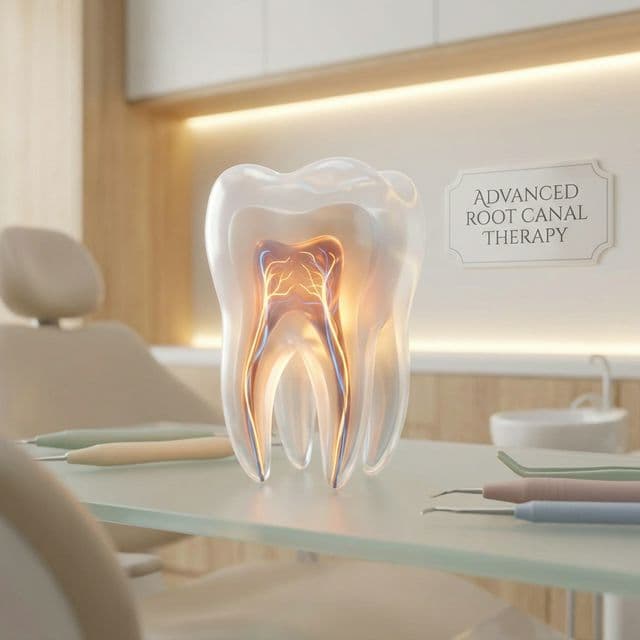
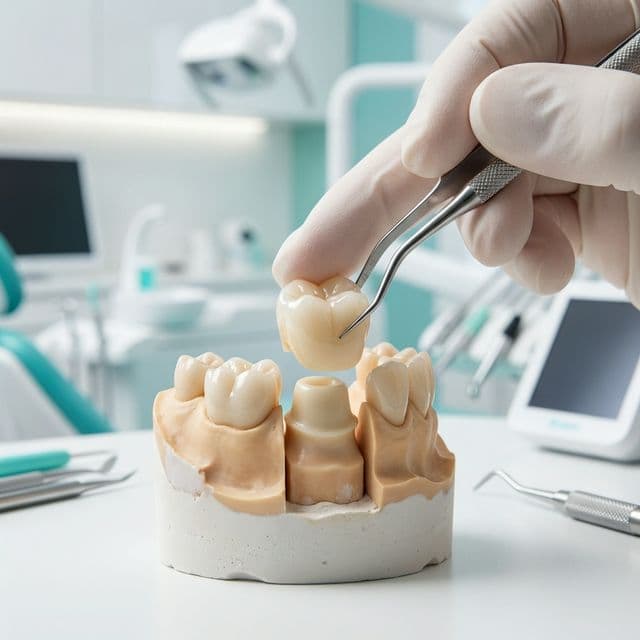
When a crack goes deeper than the enamel and reaches the inner pulp (where the nerve lives), bacteria can enter and cause infection. This is where a root canal comes in. We clean out the damaged nerve tissue, seal the canals, and then protect the tooth with a crown. If the crack hasn't extended below the gum line, this approach has an excellent success rate.
Split Tooth (Crack Goes All the Way Through)
If the tooth has split completely into two separate pieces, it generally cannot be saved. In these cases, extraction followed by an implant or bridge is the most practical solution. This is relatively rare and usually happens when a cracked tooth has been left untreated for a long time.
Vertical Root Fracture
A crack that starts at the root and extends upward is the most challenging type. These fractures are often discovered during or after a root canal, and unfortunately, the tooth usually needs to be extracted. They can be difficult to detect even on x-rays, which is why we use multiple diagnostic tools.
How We Diagnose Cracks
At our office, we use a combination of visual examination, bite tests (asking you to bite on a small stick), x-rays, and transillumination (shining a bright light through the tooth) to identify where and how deep a crack runs. Sometimes the crack is obvious; other times it requires careful detective work.
The Takeaway
If you've cracked a tooth, come see us quickly. The sooner we evaluate it, the more options we have. Many cracked teeth can be saved with a root canal and crown — but timing matters. A crack that's manageable today can become a splitting fracture next month if left alone. Call us at (709) 400-7474 and we'll get you in as soon as possible.
Need Root Canal Therapy?
Dr. Muller and the team are here to help. Book an appointment at our St. John's office.